Healthy and sustainable work environments for healthy and sustainable food.
The Swedish National Food Agency works to ensure that the food produced, sold and served in Sweden is safe and honest, for a society where it is easy for people to eat in a healthy and sustainable way, and for a safe supply of food and drinking water in everyday life and in crisis.
- Project contact: Thea Lautrup
- Photo: Jason Strong
- Year
2021 - Category
- Office
- Client
Swedish National Food Agency - Location
Uppsala - Status
Completed
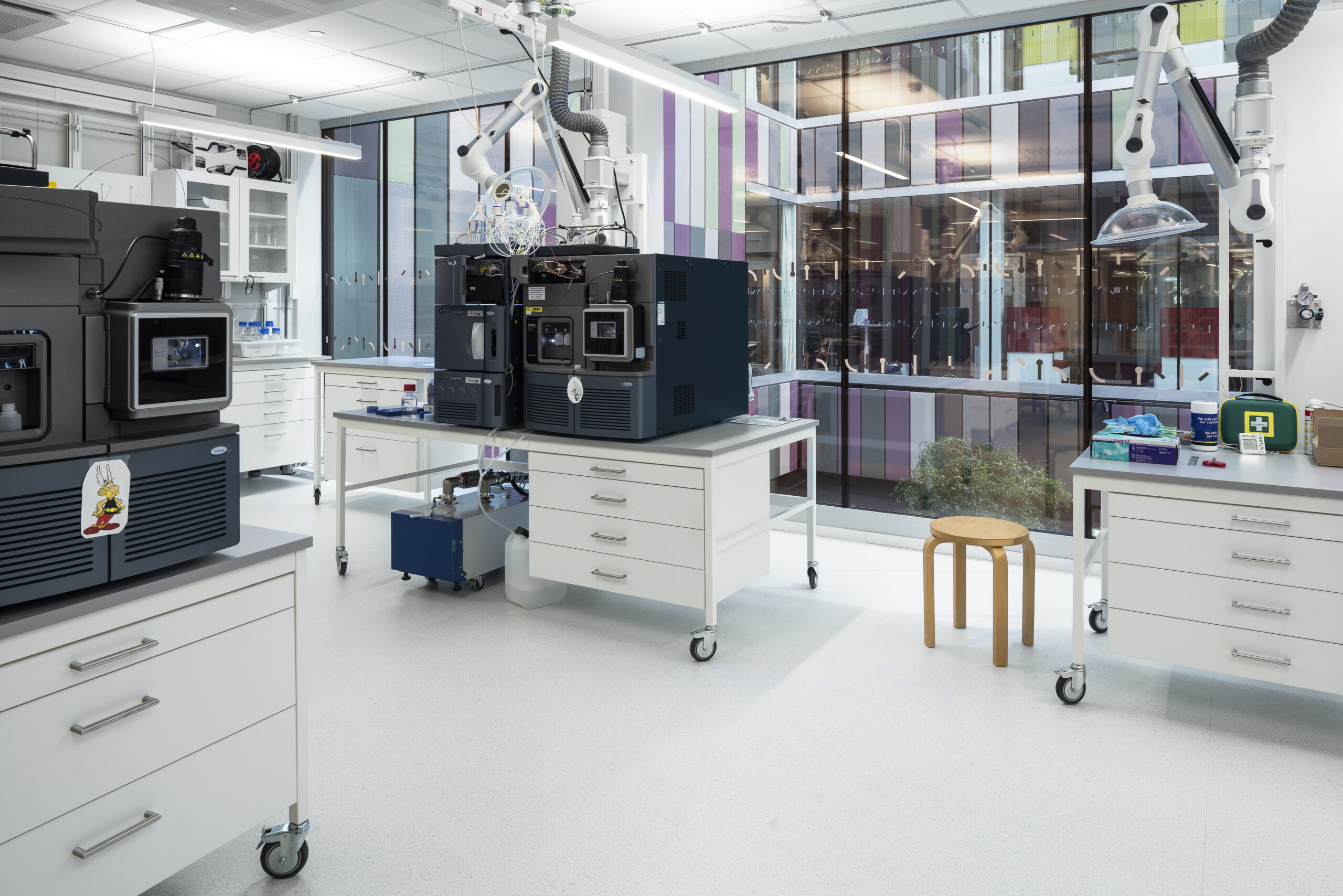
At the turn of the year 2020/2021, the Swedish Food Agency's head office in Uppsala moved to new purpose-built premises, with 9,000 m2 LOA, in Kv. Celsius in Uppsala Science Park with Vasakronan as landlord.
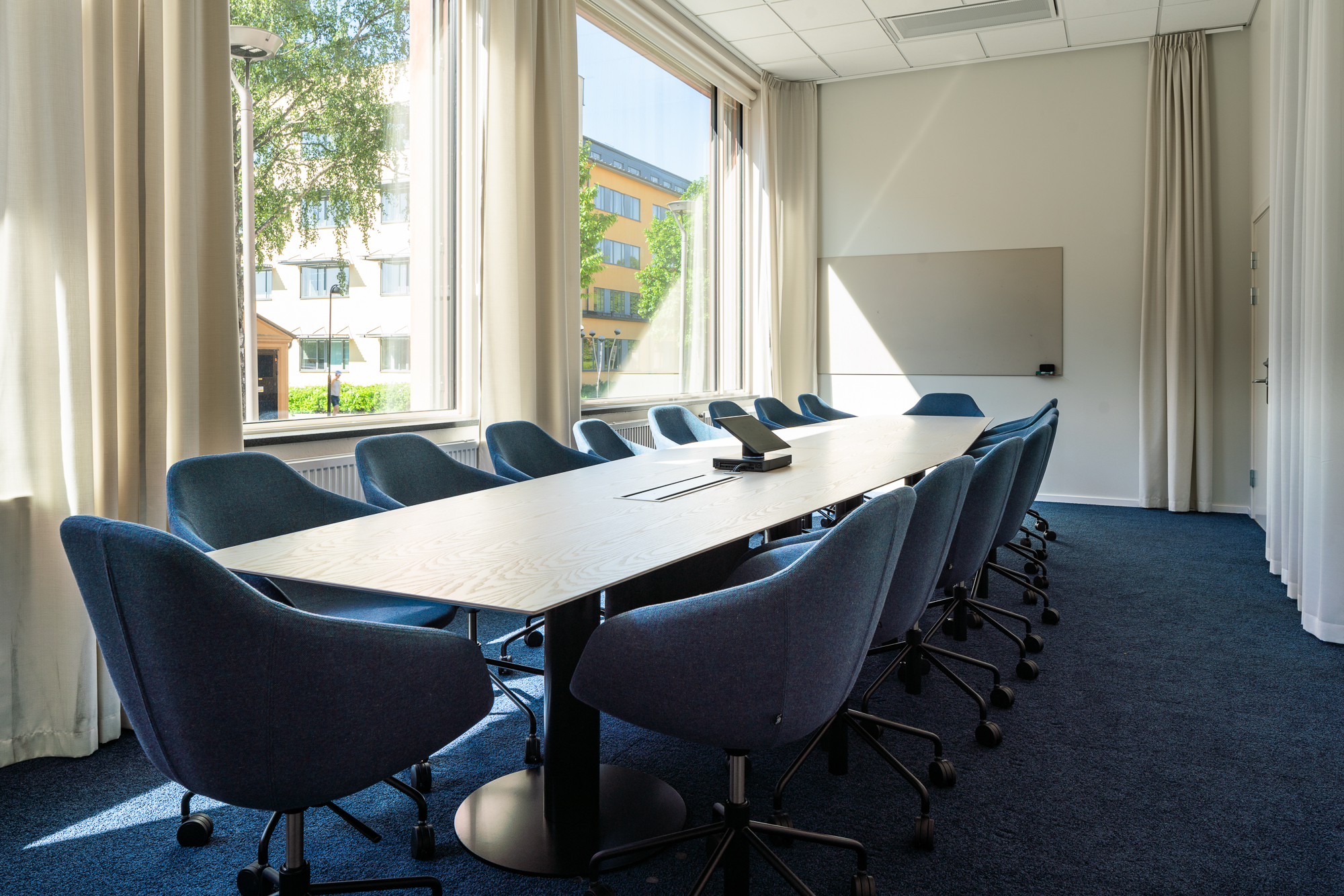
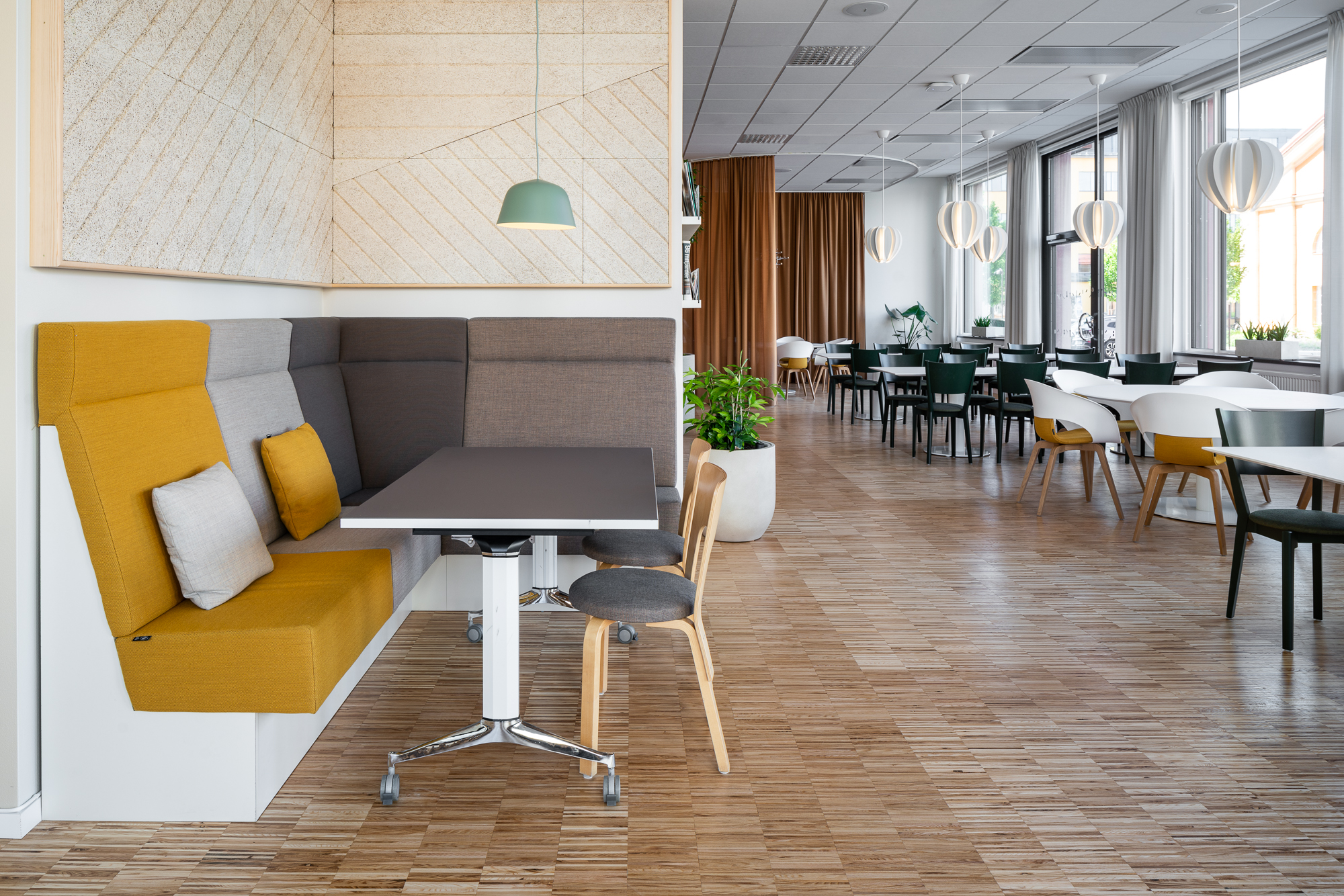
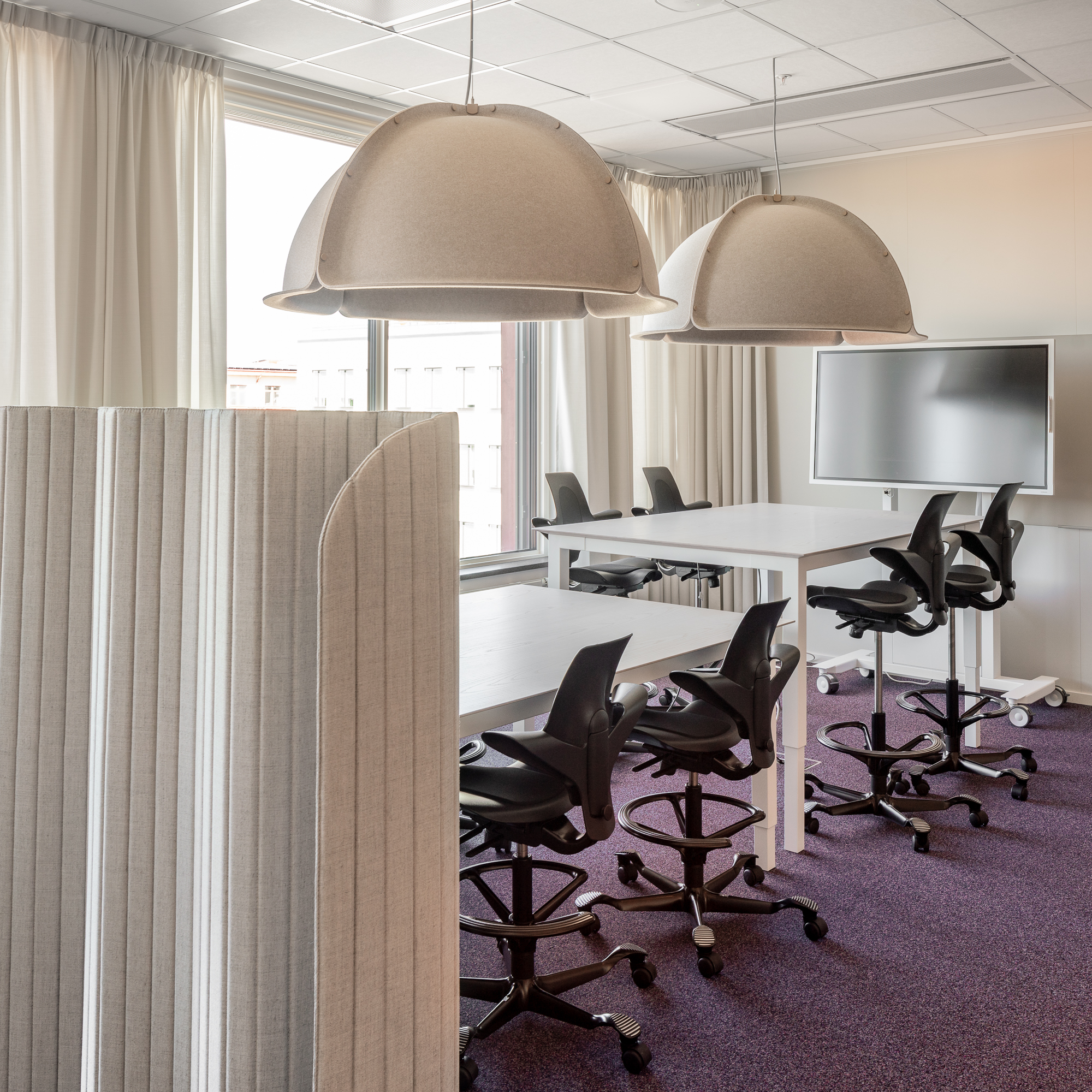
The premises were designed for better collaboration within the agency's units and adapted to new working methods and increased security requirements.
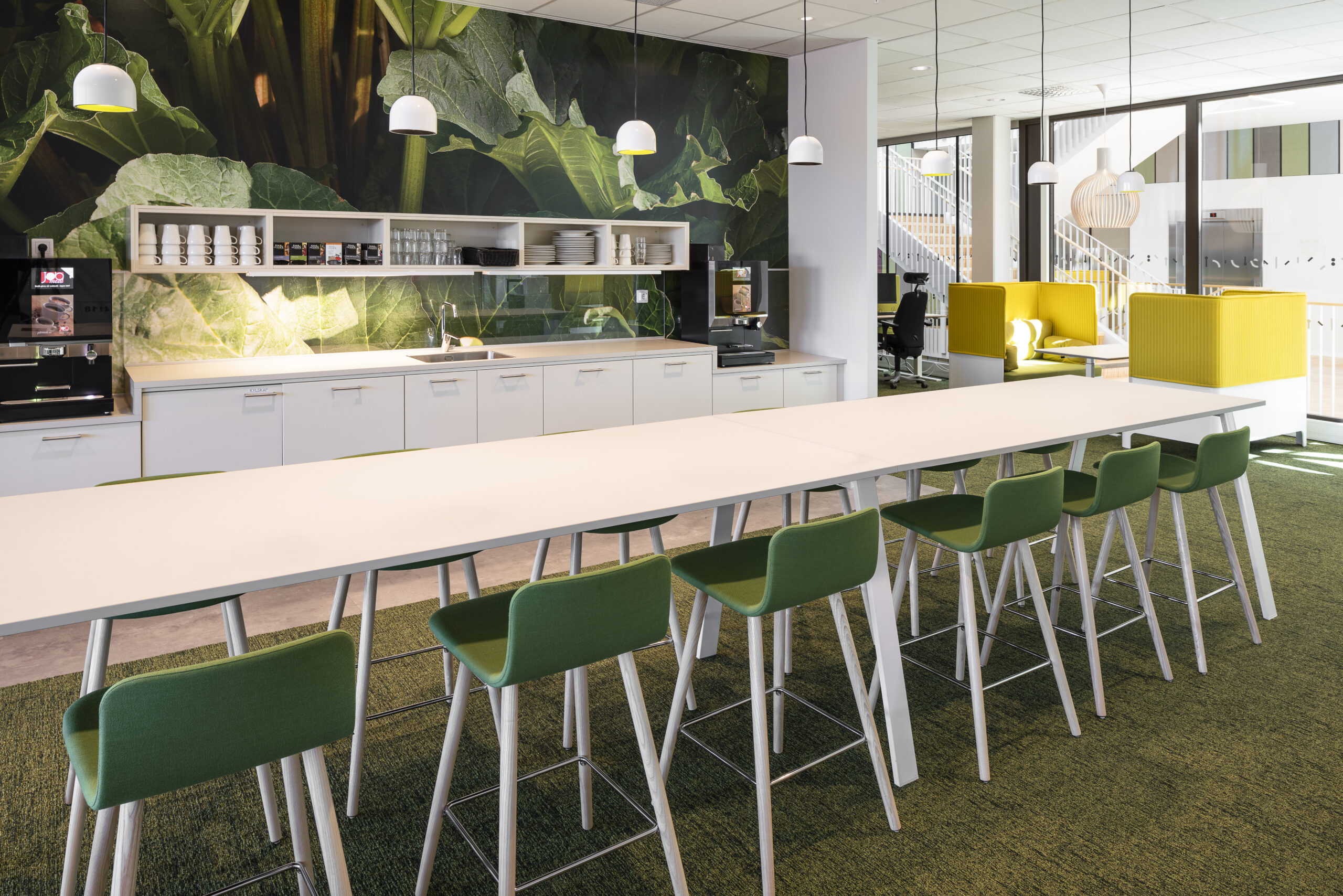
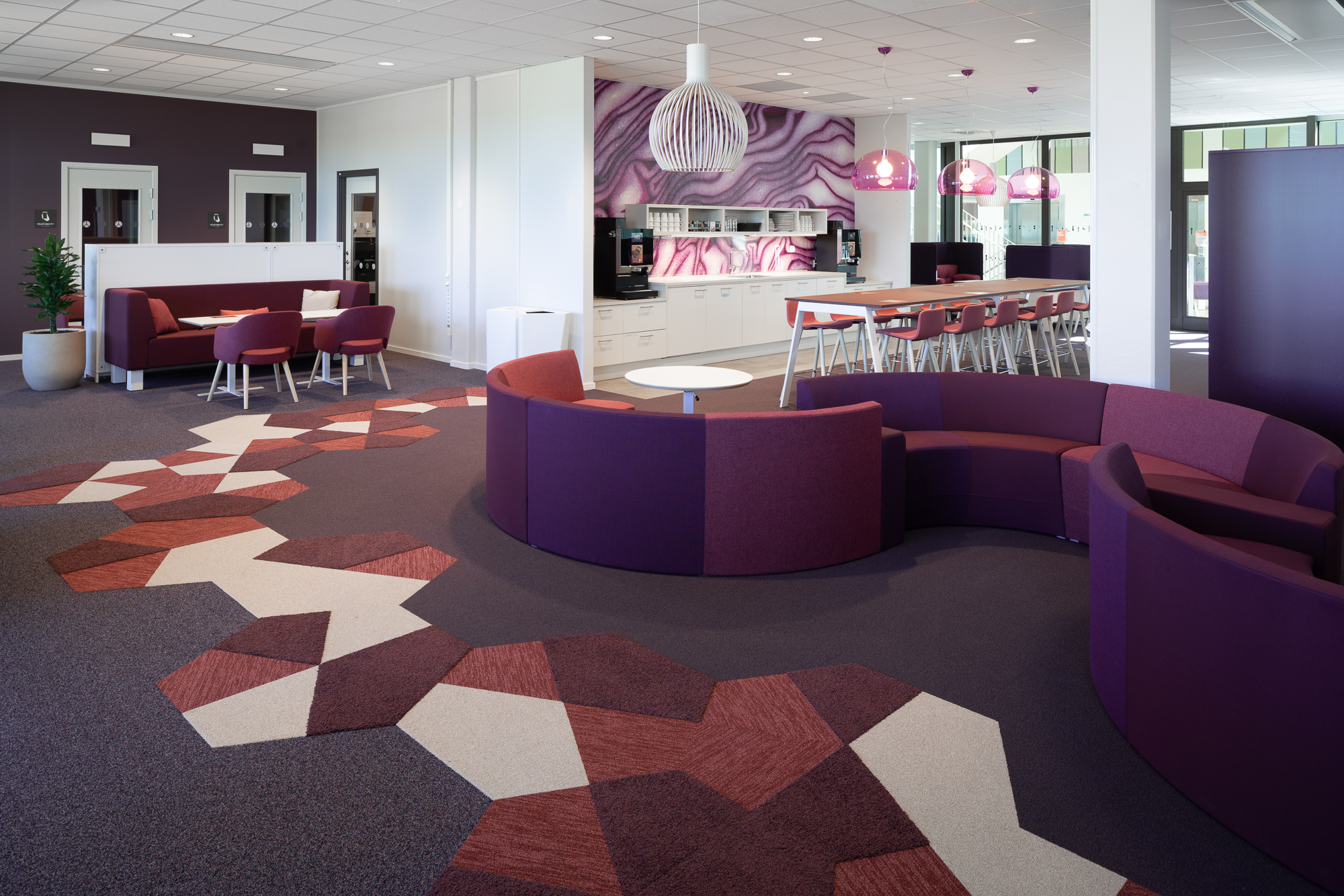
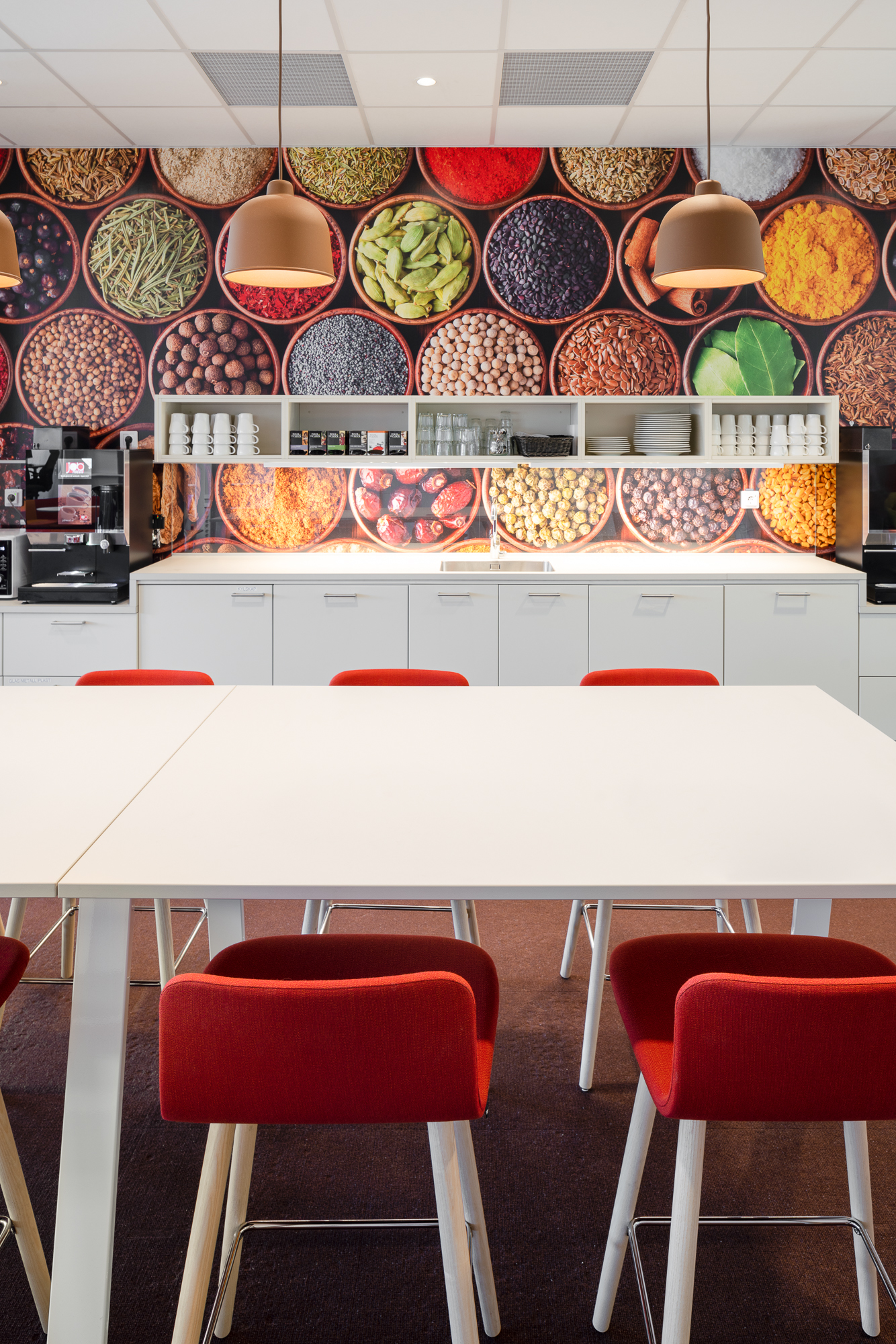
We at Reform have worked with program work for premises needs, design concepts and interior design of both office and break environments and laboratories.
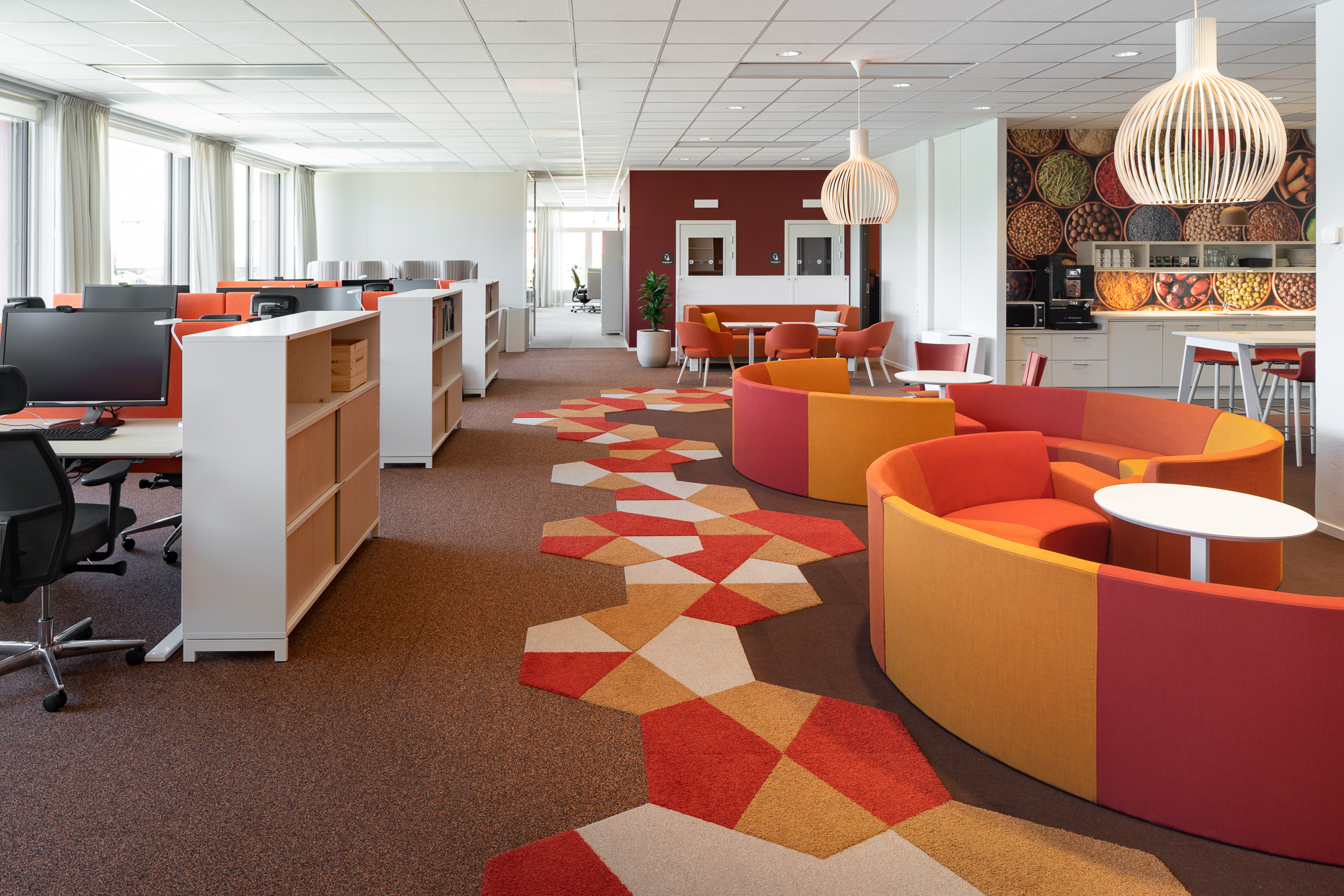
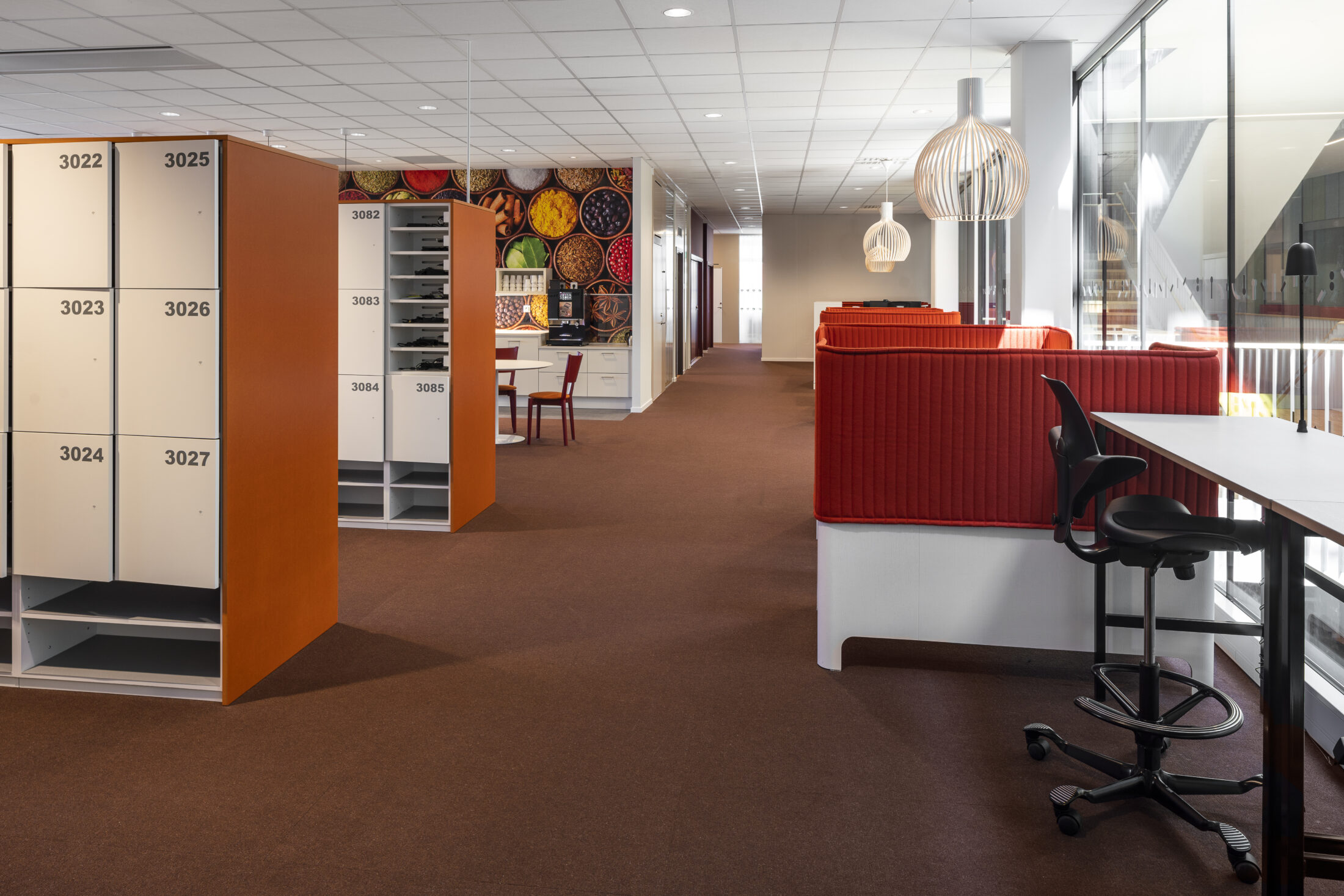
The Swedish Food Agency moved from a cellular office to a flexible working method for all 350 employees.
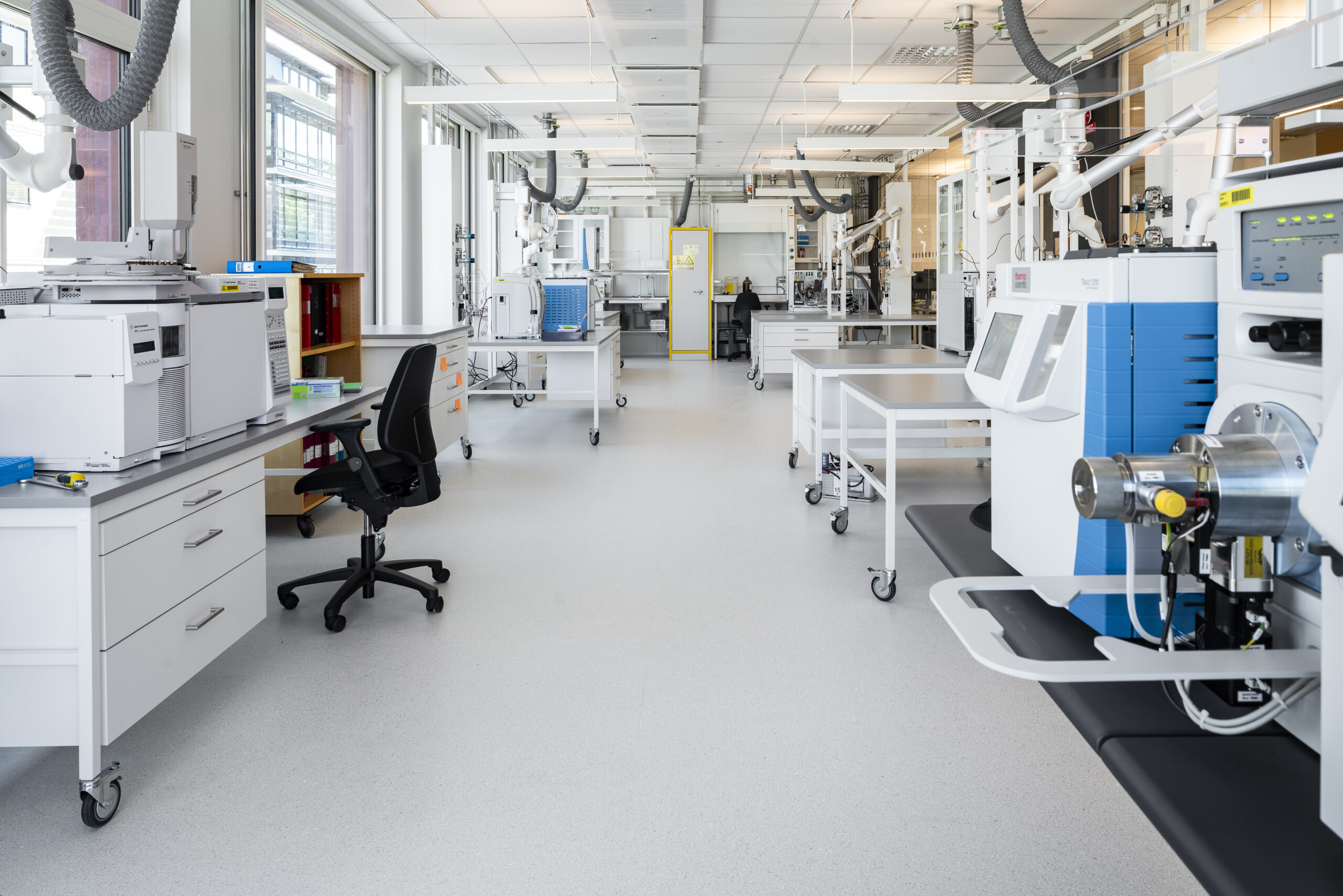
The analysis labs were streamlined and planned in a general way that allows great flexibility. Opportunities for collaboration on instruments and equipment were created and functions were co-located. The office is security classified and security was increased with better shell protection, conditions for crisis management and emergency rooms, etc.
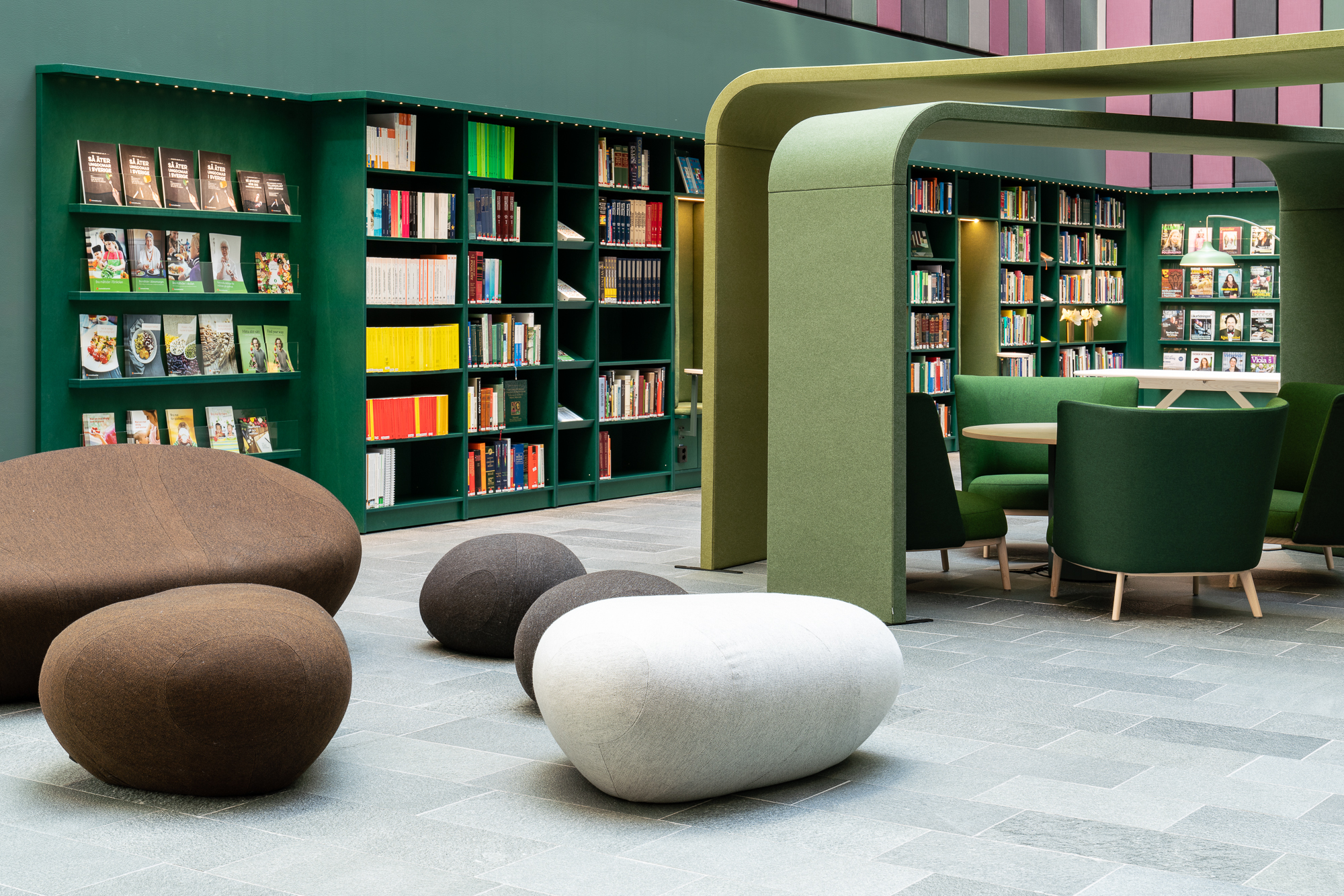
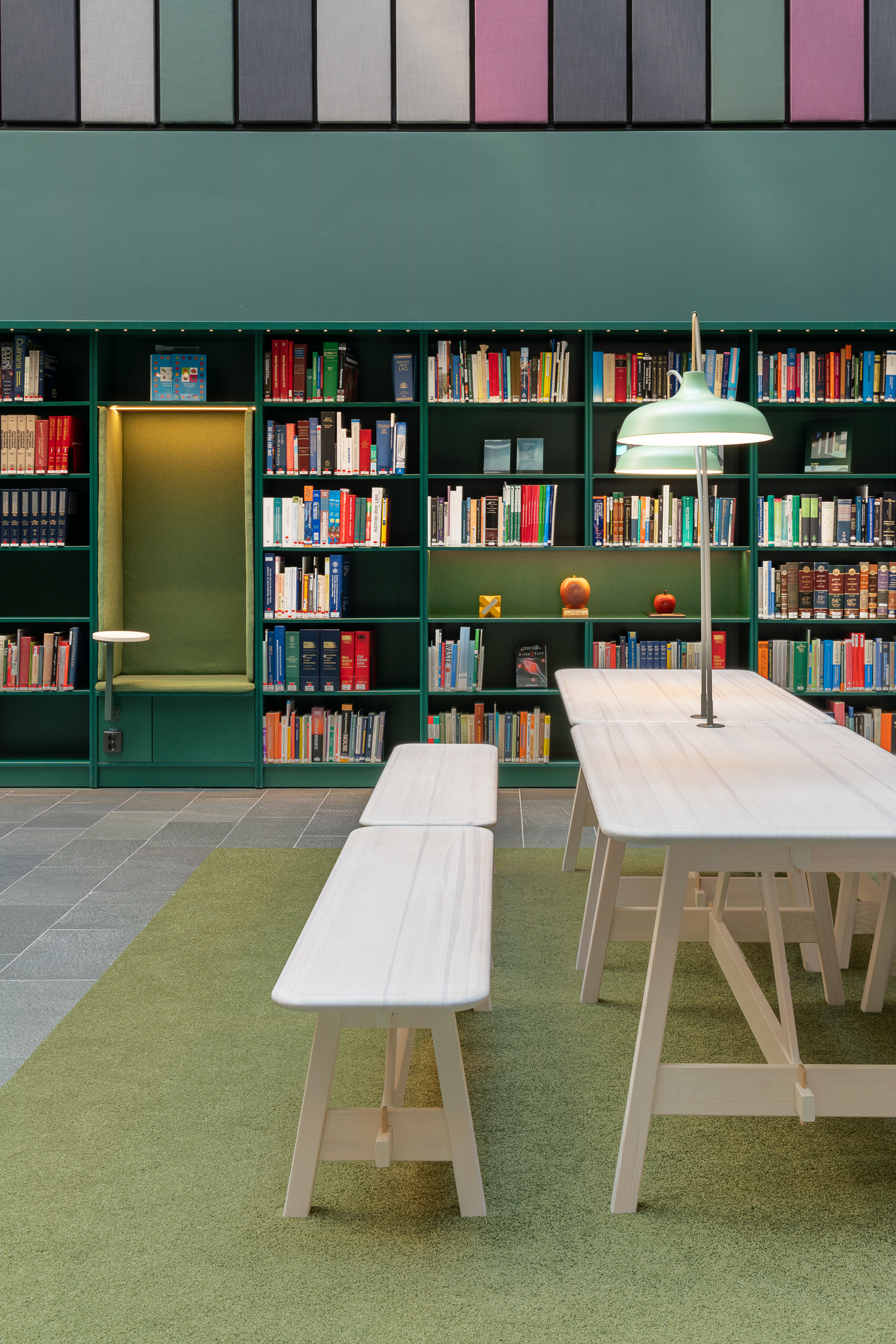
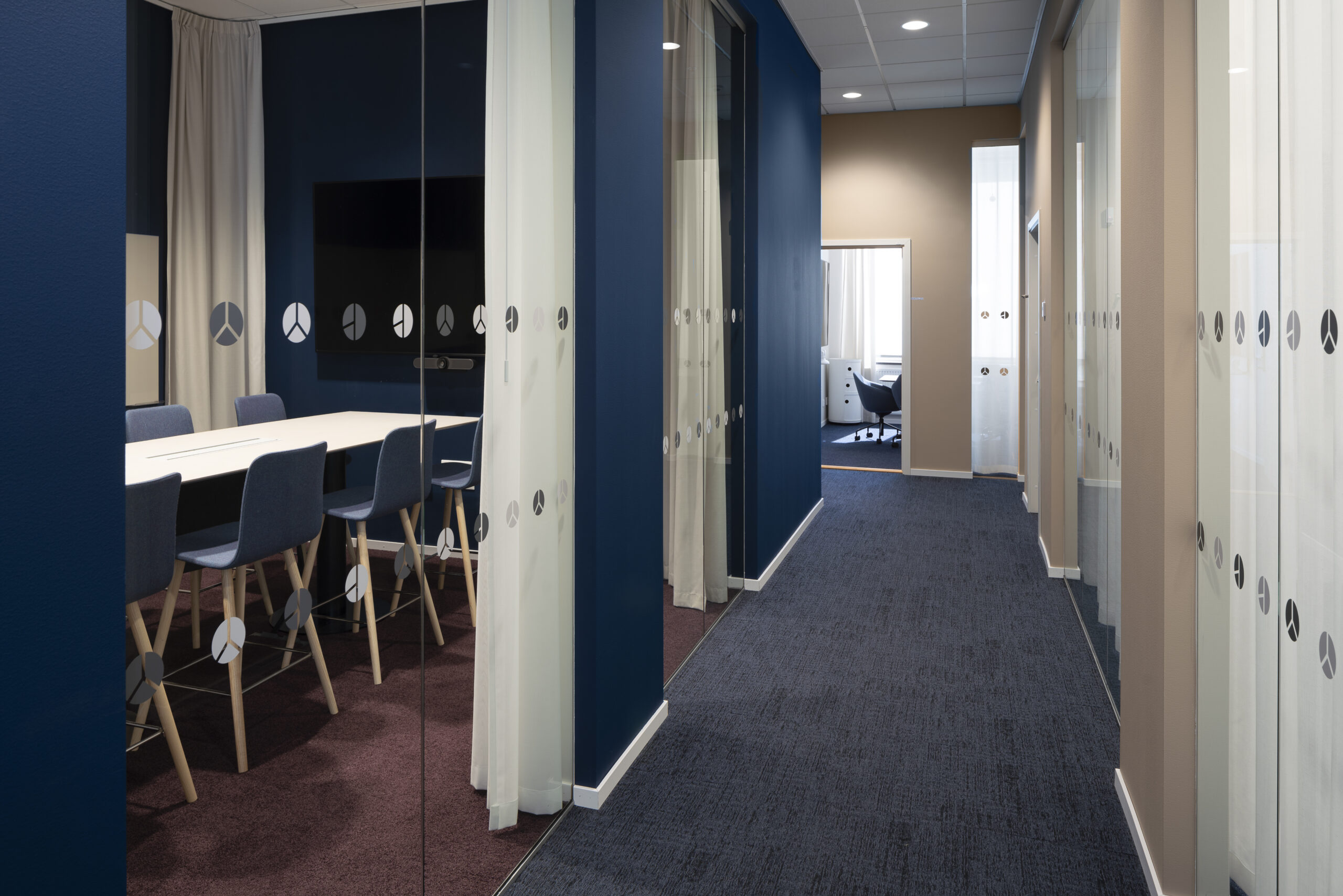
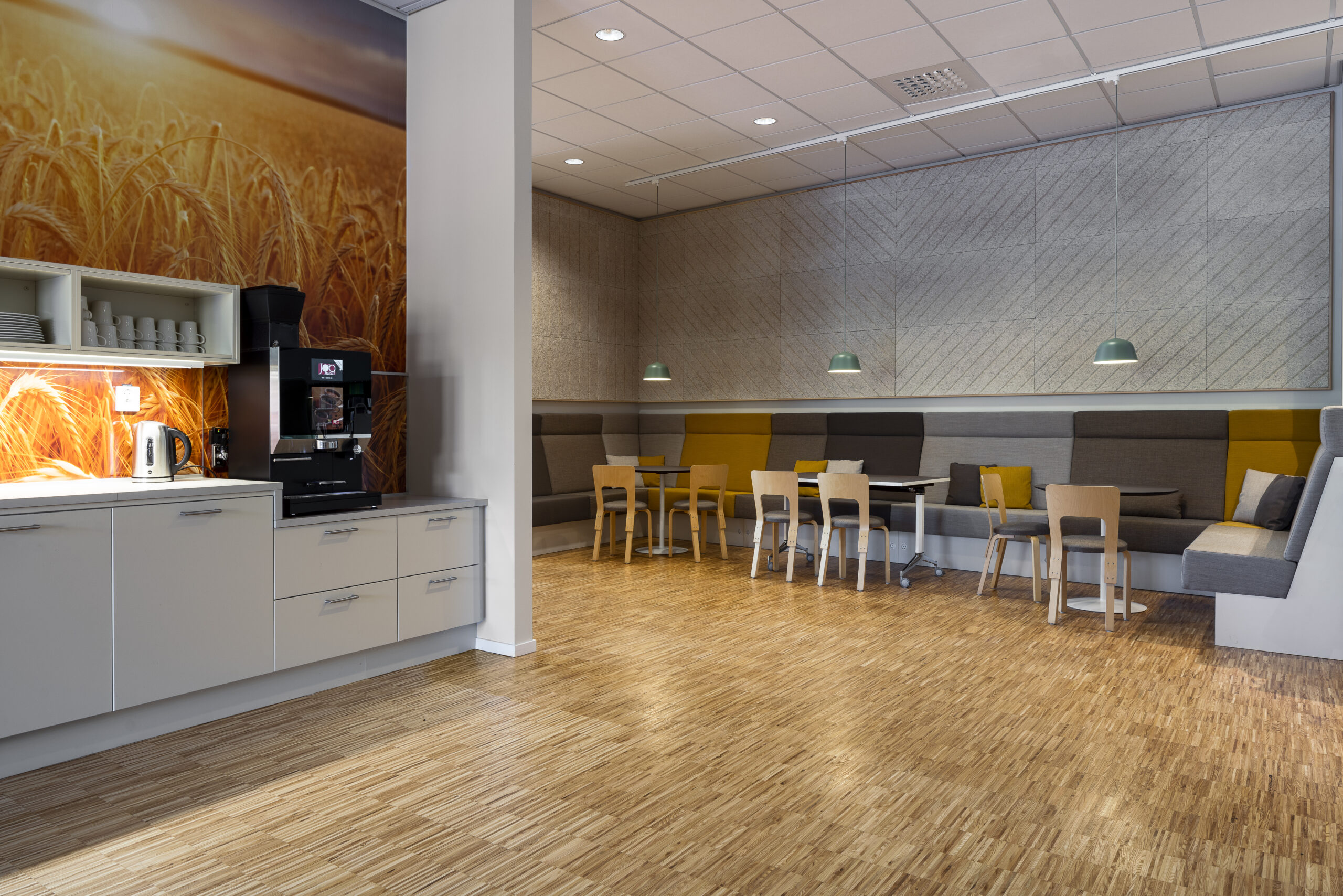
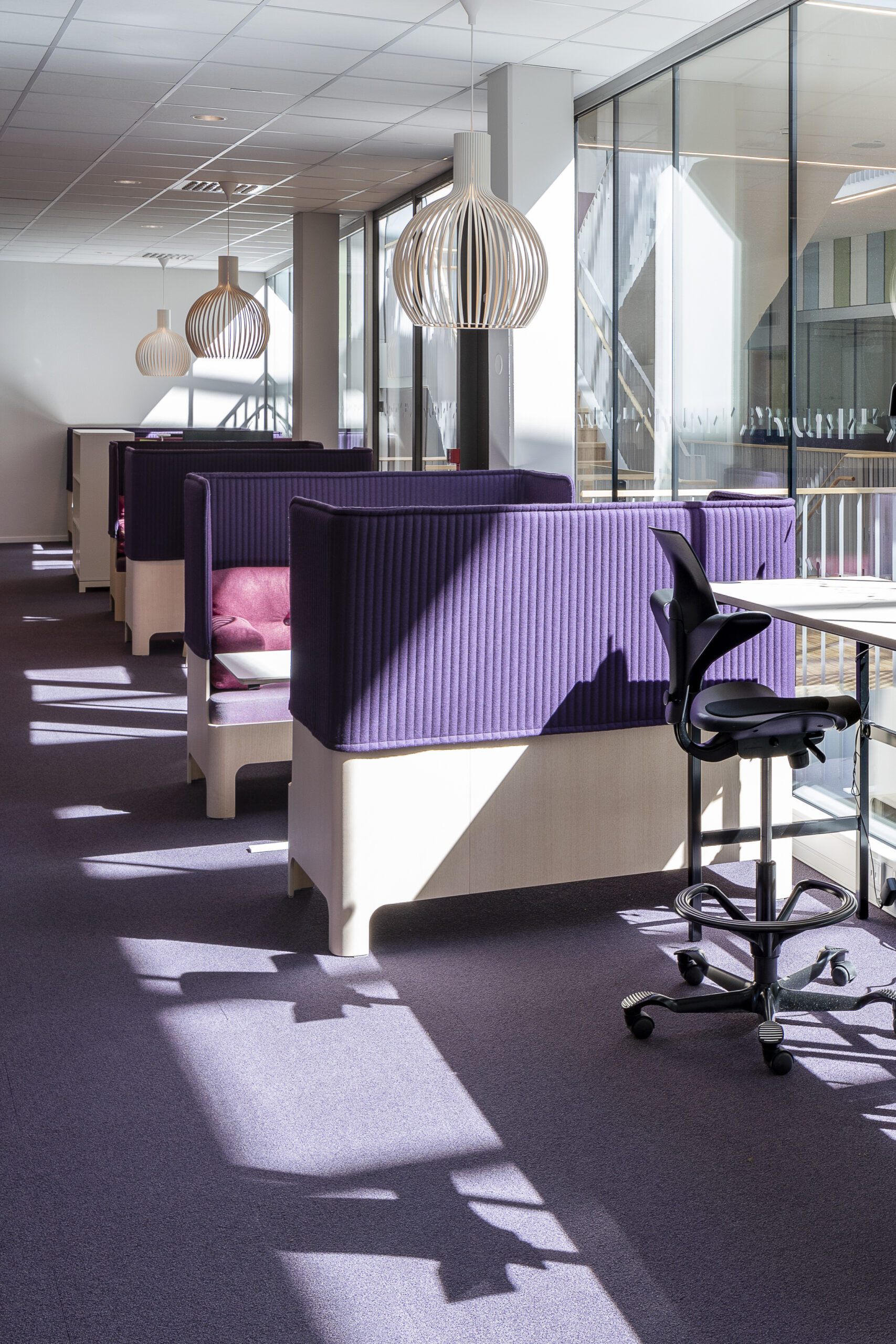
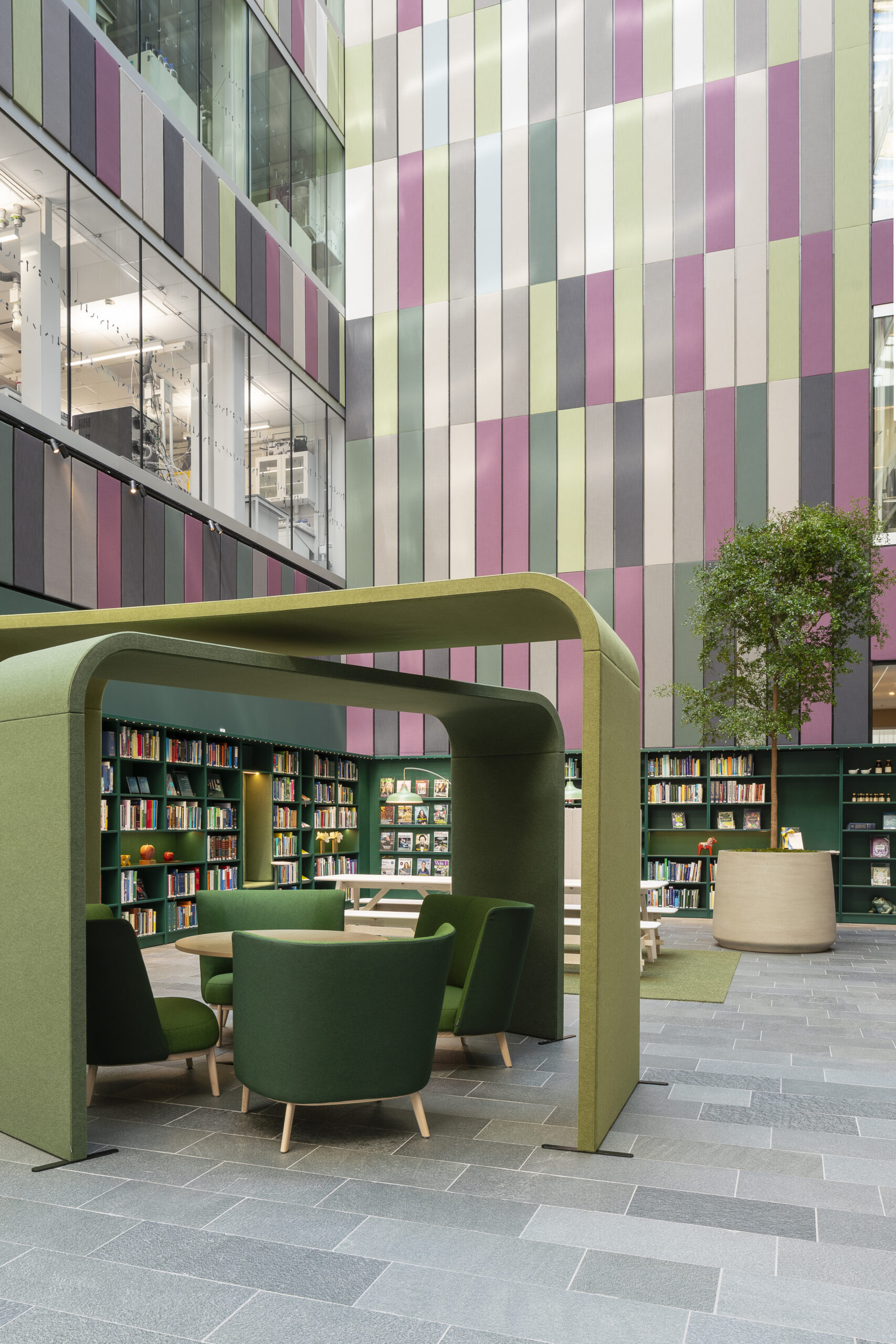
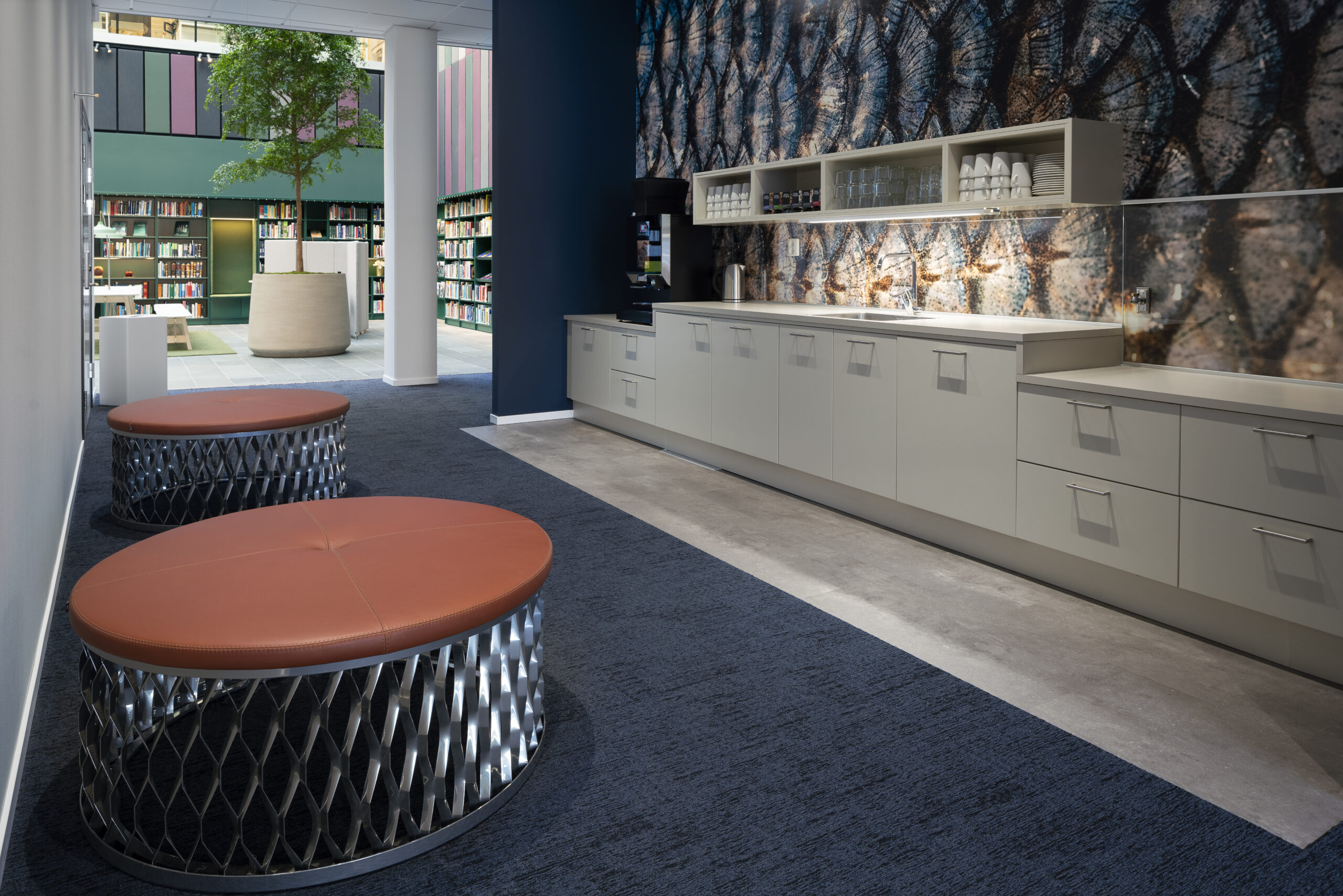
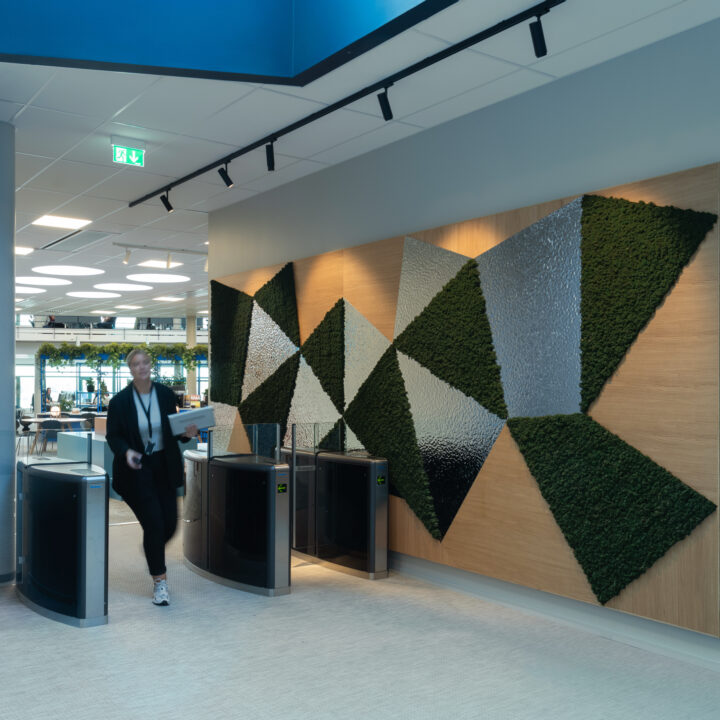
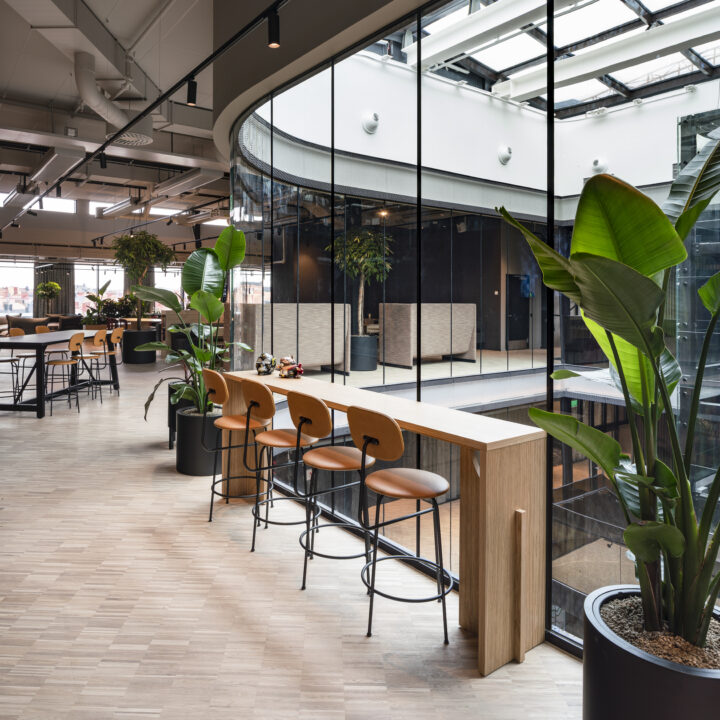
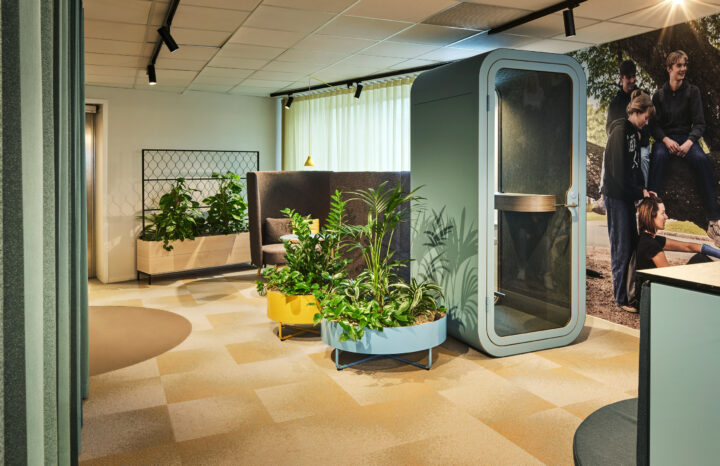
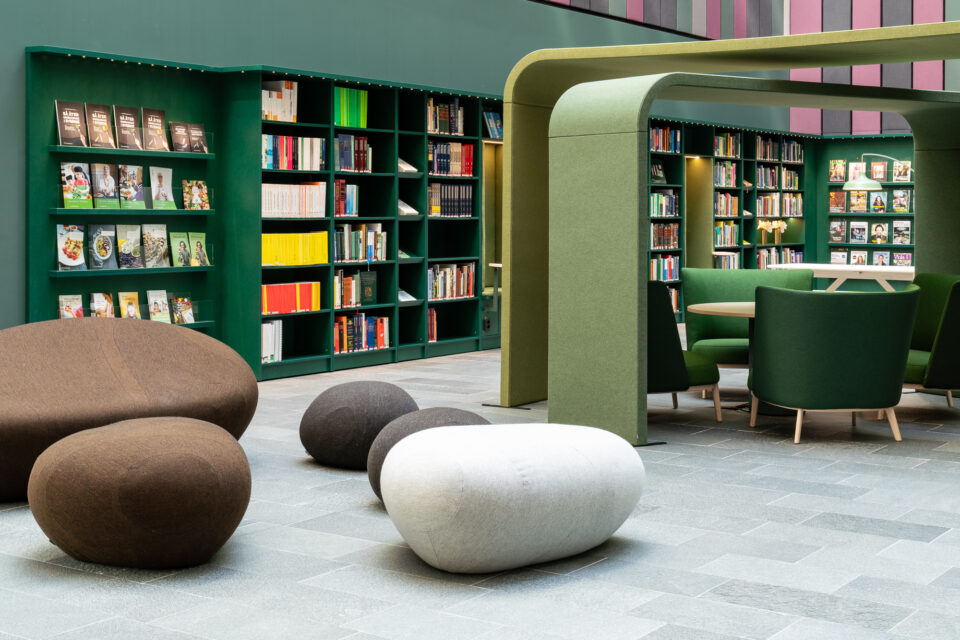
The workplaces, both in the laboratory and office areas, are open, bright and functional with a varied layout that allows for working in different zones. The design of the premises is based on the agency's mission and themes related to food, agriculture, forest and water have been used. The building's three similar office and laboratory floors have their own sub-themes: Fruits and Vegetables, Spices and Meat, and Root Fruits and Berries. The work's symbol, the plate model, recurs discreetly in patterns and surfaces around the premises.
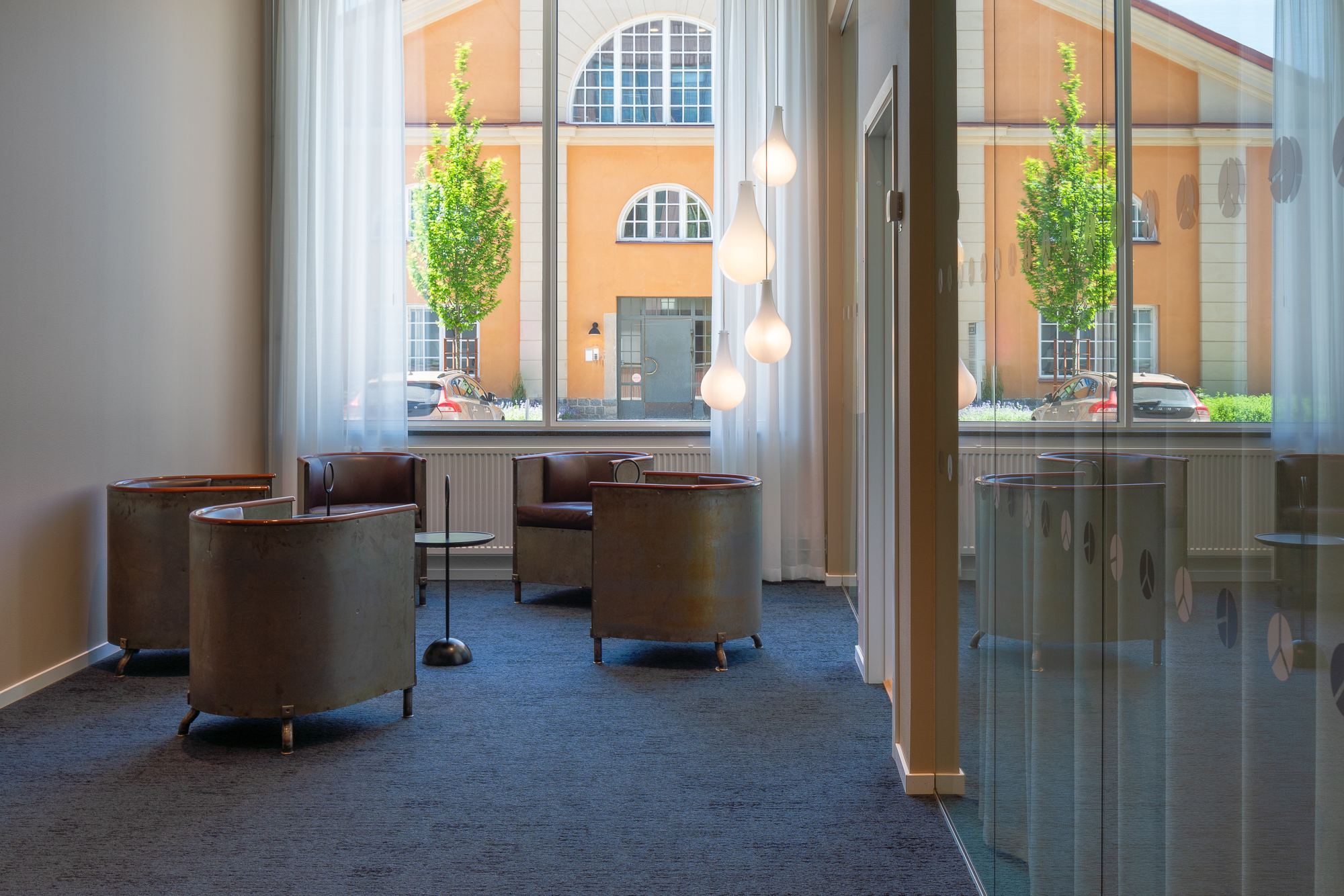
In terms of furnishings, both new items have been acquired, along with many existing items that have been reconditioned and reused.
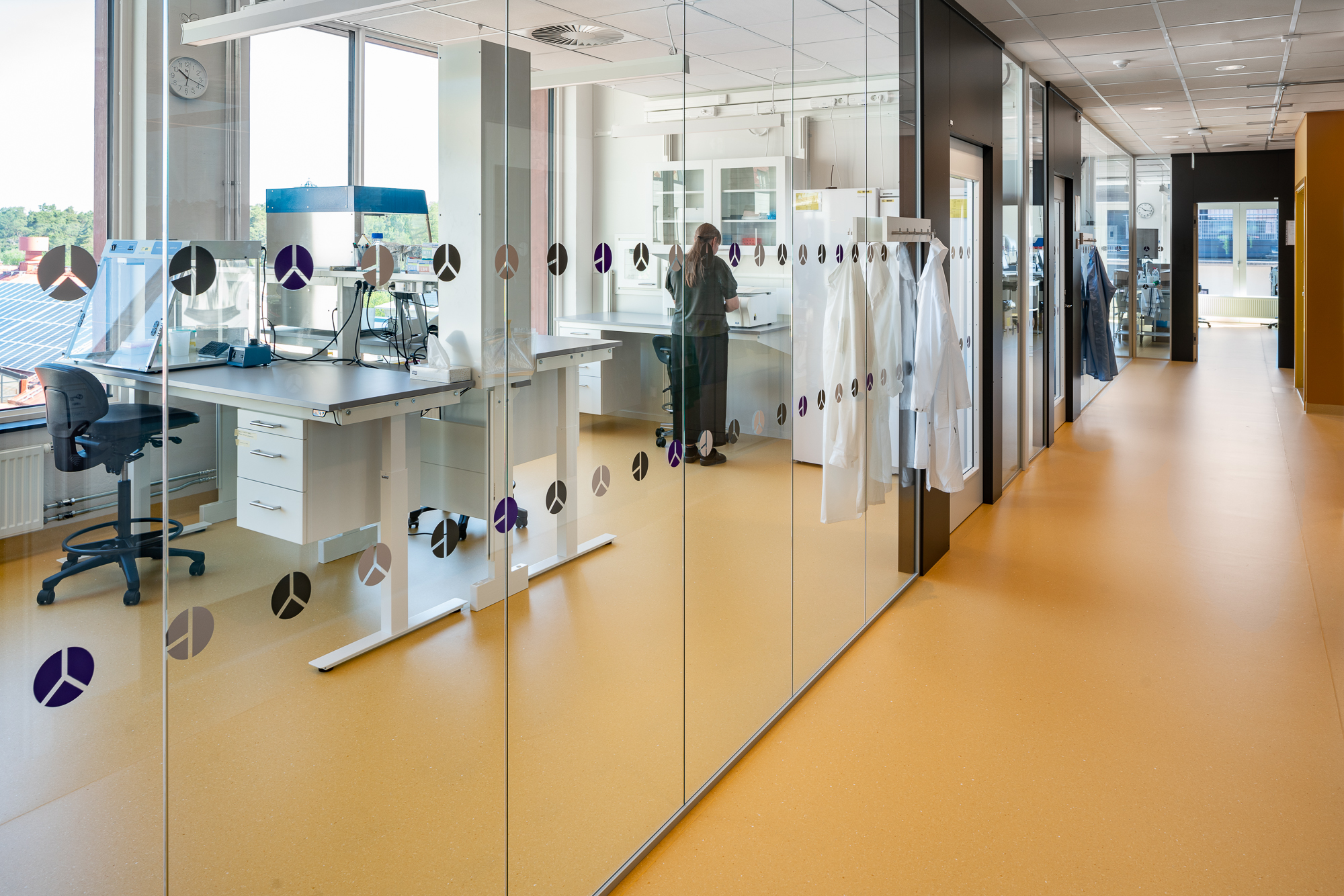
The laboratories at the Swedish Food Agency are adapted to the needs of the business today but are also planned for future changes. Flexibility is an important aspect to ensure that operations can easily adapt to new needs and methods. The laboratory is planned in modules and the interior can be easily moved. The boundary between lab and office is also flexible so that each part can grow or shrink as needed.
Laboratories are located on 3 floors and contain a variety of different types of analytical labs, all with different safety classes. In common there is a central counter.
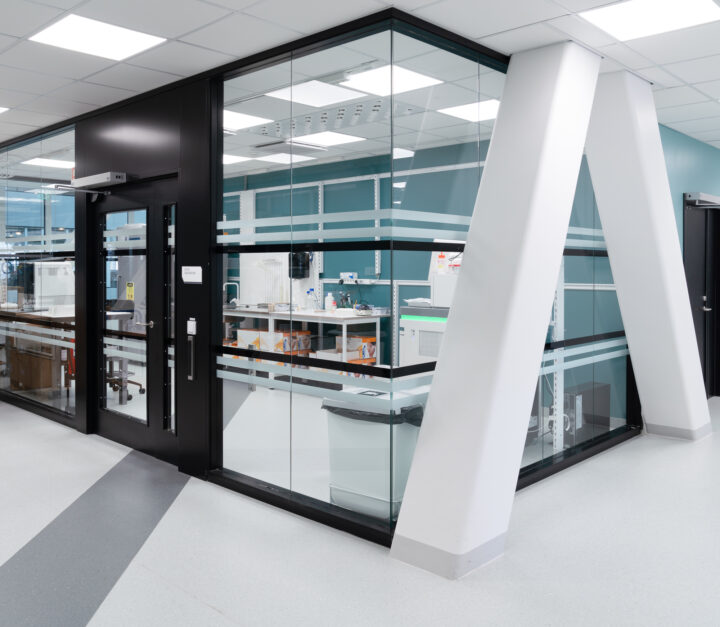
To promote personal safety and transparency, the floor plan is designed to be as open as possible. Glazed areas, which also help to bring daylight into the relative depth of the building, contribute to the transparency of the rooms.
With a double corridor system, larger coherent labs can be created without losing the flow through the building.